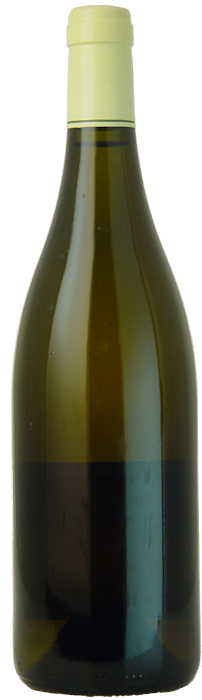
CHÂTEAU CLIMENS
2012 1er Cru Classé Barsac
| Origin | France, Bordeaux |
| Village | Barsac |
| Classification | 1er Cru Classé |
| ABV | 14% |
Pale lemon-gold colored, the 2012 Climens has a slightly evolved nose sporting honeyed nut and toast notes with a core of lemon pie, fresh hay and allspice. Big, rich and powerful in the mouth, with maturing citrus and stone fruit notions, it has a provocatively spicy finish. Drinking range: 2018 - 2036 Rating: 91 Lisa Perrotti-Brown, RobertParker.com (Aug 2018)
Alternatively, we may well have some bottles in one of our shops - why not give us a call on 0207 244 0522 or send an email to: sales@leaandsandeman.co.uk.
Or, check the RELATED PRODUCTS below for different vintages or wines of a similar style.
Seven different barrel samples were tasted from early-picked (15 Oct) to late-picked grapes (31 Oct). Early harvested samples are very pure, with lovely honeysuckle, fresh yellow fruits and fairly high concentration of sugar (130-140gm/l residual sugar). Later-picked parcels have a more unctuous texture, thicker palate and chalky finish. Micro blends that combine late- and early-picked parcels show beautiful, delicate flavours that have focus, freshness and purity. This is by far the best, most successful wine of the vintage. 2020 - 2028 Rating: 18 Jeannie Cho Lee MW, Decanter
As always, this was a tasting from barrel of the components that are likely to go into the final wine. This year, because some of the lots were so small, they had already made some micro-blends prior to this tasting. I find it quite difficult to do this tasting and wonder how useful it is in terms of getting an idea of the final wine, but it does perhaps give an indication of the overall quality of the lots. There were two main harvest periods: 15-19 October (the rain and then humidity returned on the 19th) and 29-31 October, after the wind had dried things out on the 28th. Rain returned on 1 November and it was all over. 45% of the crop harvest came in this second picking. Bérénice Lurton said she thought the first picking was, on the whole, a little more floral, the second picking very pure and mineral – although I found it hard to discern this distinction in the samples tasted. The RS levels on the first picking were higher (around 135 g/l) than on the second (100 g/l). Overall yields were 10 hl/ha, which was very good given the vintage, though about half that of 2011. She was also happy that the wine is not too concentrated this year as this is not her preferred style. 1 A blend of two lots from the first picking period (16/10 and 19/10): Spicy aroma, then spicy apricot on the palate, intense. 2 The fourth lot of the first picking, 17/10, which made up 6.5% of the harvest: Less spicy than the first sample but richer on the palate. Some almond paste along with the characteristic orange and apricot. 3 Lots 3 and 5 from the first picking (16/10 and 17/10), 15% of the harvest: Almonds again on the nose, beautifully fresh and pure with lots of energy but also silky. 4 First lot from second picking (29/10): A hint of mushrooms on the nose, seems less intense than the previous sample but tense and fresh. Lovely sour-fresh finish. Alcohol a little higher (20.3 potential). 5 Micro-blend of sixth lot from first picking (18/10) and last from second picking (31/10); 8.5% of the harvest: Honeyed and pure apricot, but also more mineral and citrusy. Sour, orange-peel intensity without excess sweetness. 6 Lot from second picking (30/10): Almond freshness and less immediately seductive than previous. Intense and more savoury/mineral than lusciously fruity. 7 Blend from first lot (15/10) and one lot from the second picking: Again that slight mushroom note along with almonds on the nose and then full-throttle apricot on the palate. Sour freshness and an almost oily minerality. Great length and depth. One of the best lots tasted. Overall a promising and exciting vintage, with quite a bit of variation between the lots for them to play with in the blending. Though as Bérénice Lurton said at the end of the barrel tasting, the wines are changing all the time and the result of the blend is sometimes completely different from what you expected. Score and drink date are therefore approximate, based on the likely quality of the final blend. 2022-2042 Rating: 18.5? Julia Harding MW, www.JancisRobinson.com
There was a common theme of spicy, honeyed fruit coming through on both the nose and the palate, one particular lot relatively high in alcohol that should provide the foundation for the more nuances pickings. In many ways, this is a quintessential Climens with subtle orange peel and mandarin notes allied with finely tuned acidity. As usual, I tasted through several lots and micro-blends with Berenice Lurton and her team, to ascertain how the final blend will perform, paying particular attention to those that will form the heart of the final wine. For sure, this is going to be a Climens worth seeking out. Berenice is unequivocal that their conversion to biodynamics (to be certified in 2015) played a key role in combating bad rot in the vineyard. It was a late harvest for sure, commencing on October 15 but halted on October 19, when the rains returned. It was the north-easterly wind on Sunday, October 28 that saved their vintage – drying out the grapes and over the next three days, when they were able to conduct a blanket harvest as the crop was so even. There is certainly not a mote of grey rot and final yields were a respectable 10 hectoliters per hectare. Berenice was correct – her teams have made an excellent 2012 and I suspect that it will be the finest of the vintage. Rating: 93-95 Neal Martin, www.vinous.com
Château Climens
Barsac Premier Cru 1855 The name "Climens" appears to be derived from a local dialect word meaning unfertile land. It is one of the two Premier Cru properties in Barsac (the other being Château Coutet), although the golden age for Climens came later after Henri Gounouilhou bought the estate in 1885, guiding it through phlloxera and oidium, managing to expand the vineyards and, on occasions, rivalling even Château d'Yquem. In 1971, Château Climens was purchased by the great Lucien Lurton and is now run by his daughter Bérénice. The 30ha of vineyard are planted entirely with Semillon. The yield for the Grand Vin is very low, averaging 7hl/ha. The grapes are fermented in small barrels (a third new each year) and aged for 20 to 24 months before release.
- For full delivery details see our Delivery page.
- We offer free nationwide* delivery for all orders over £150 with our own vans. We also offer an express delivery service for an additional charge.
- Order & Collect from any of our 5 London shops. Order by Midnight for collection the next working day from 11am.
- Private wine storage: we offer a full In Bond and Duty Paid private wine storage service - find out more here.
RELATED PRODUCTS
1988 CHÂTEAU YQUEM 1er Cru Classé Sauternes
Bordeaux France 13.5%
Sémillon, Muscadelle, Sauvignon Blanc.
13.5%, 123 g/l RS, TA 3.8. Very classic vintage. Warm year with a very wet spring. Good weather lasted to the end of the harvest, 15 Oct started – very late – and then it was a dream vintage with no rain for 4 weeks....(read more)
Jancis Robinson OBE MW
2016 CHÂTEAU RIEUSSEC 1er Cru Classé Sauternes
Left Bank Bordeaux France 13.5% White
Sémillon, Muscadelle, Sauvignon Blanc.
Luminous liquid gold from the edge of the Sauternes appellation, the 2016 Château Rieussec has a breathtaking perfume of orange blossom, ginger, and honeyed apricot. It is rich, intense, and impeccably balanced, ca...(read more)
L&SORDER COLLECT
ORDER ONLINE AND COLLECT FROM ONE OF OUR SHOPS