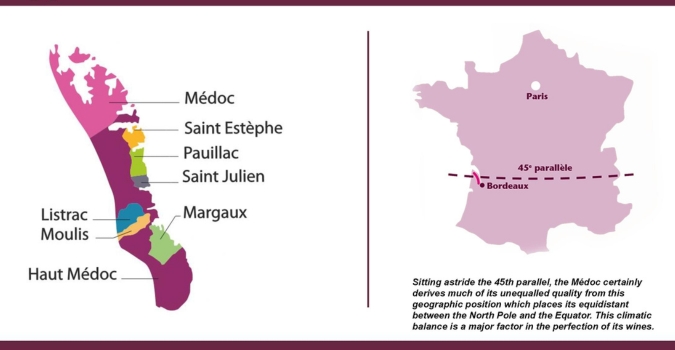
A guide to the styles of the Médoc & Graves – 2025 Vintage
Bordeaux criticism becomes ever more diffuse. Whilst Parker once ruled the market, today we feature scores from ten or more different critics.
In order to understand their relevance, I have gone through every Cru Classé in the Médoc and quantified any consensus on what is best – my conclusion was, whilst there are wines which are almost unanimously agreed upon (Château Margaux, for example, was the highest scored wine of the 2025 campaign), so often there are anomalies, or inconsistencies which are based entirely on that critic’s taste.
- La Mission Haut Brion, for example, was Antonio Galloni’s favourite Pessac wine, but it didn’t even feature in Neal Martin’s top five.
- Beychevelle got top billing from the Vinous team, second place for Neal and fourth for Galloni, but not other critic put it in their top five.
- Cantenac Brown made it into William Kelley’s top five, but no other major critic placed it in such high esteem.
There are so many interesting consistencies and inconsistencies which reveal how scores are both important and, ironically, pointless.
So, I thought I would put something together which, although also somewhat reductive (many Châteaux inevitably cross these boundaries) gives a more stylistic guide to the greatest wines of the Médoc.
There is no substitute to knowledge, of both wine & your own palate. I would like to emphasise that we, as a merchant, act with no bias here, so will always try to give you the best answer or most suitable fit. However, the below will hopefully provide some stylistic guidance to clarify which Chateau might be of interest:
Saint Julien
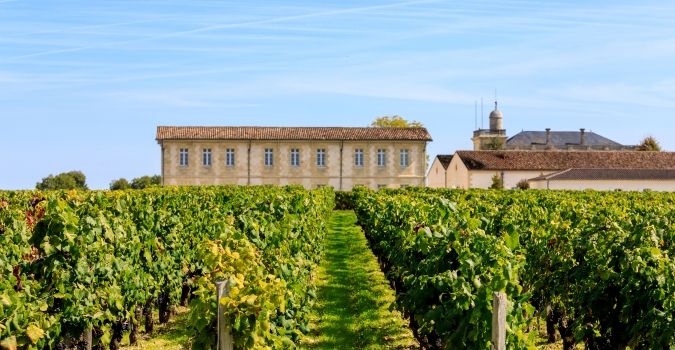
The intellectual powerhouses: Léoville Las Cases, Ducru Beaucaillou, Léoville Barton, Gruaud Larose.
These are the heavyweights of the appellation. While Saint-Julien is famous for elegance, these châteaux possess a serious, brooding, and deeply structural core. They are defined by deep cassis fruit, intense graphite minerality, and an uncompromising tannic backbone that demands considerable cellar time to soften.
Vibrant & fresh: Lagrange, Langoa Barton, Saint Pierre.
These properties represent the legendary balance and precision of the commune. They do not aim for brute force or high extraction; instead, they focus on impeccable definition, high-toned floral aromatics, and a vibrant, refreshing acidity that keeps the wine incredibly agile and focused on the palate.
Modern & seductive: Beychevelle, Léoville Poyferré, Branaire Ducru, Talbot, Gloria.
These châteaux embrace the softer, more voluptuous side of Saint-Julien. Through warmer gravel beds or a stylistic focus on velvety, fine-grained tannins, they wrap their structural core in a fleshy, comforting blanket of rich fruit and sweet spice, making them rewarding to drink at a younger age than their peers.
Pauillac
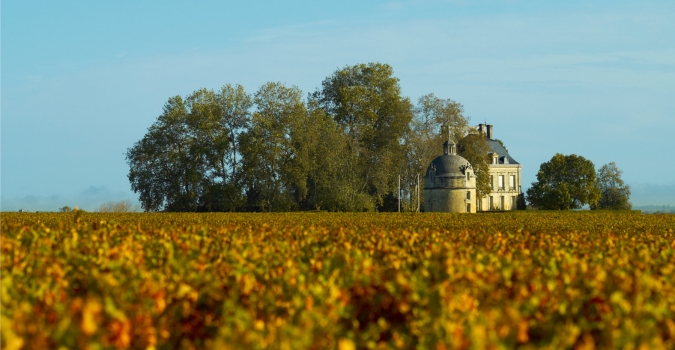
The intellectual powerhouses: Lafite, Duhart Milon, Pontet Canet, Batailley, Lynch-Moussas.
These are the architectural titans of Pauillac – hugely structured, concentrated and monumental. They are not about simple, sweet fruit; they are intellectual, savoury wines defined by a massive, tightly coiled tannic framework, deep blackcurrant fruit, and an intense core of lead pencil shavings, iron, and cedar. These wines are built for decades of evolution and demand considerable patience.
Vibrant & fresh: Latour, Pichon Lalande, Grand Puy Lacoste, Clerc Milon, Duhart Milon, Haut Bages Libéral.
These estates represent the pinnacle of refinement, precision, and unforced elegance. They favour effortless poise over brute muscle and high extraction, with intoxicating aromatics (violets, incense), and a seamless finish driven by exceptionally fine-grained tannins and a vibrant, refreshing acidity that cuts a clean, direct line across the palate.
Modern & Seductive: Mouton Rothschild, Pichon Baron Lynch Bages, Haut Batailley, Château Pédesclaux.
These châteaux capture the natural warmth of Pauillac’s best gravel crests, or use a generous helping of Merlot and luxurious oak integration, to deliver a voluptuous, texture-driven style. They wrap their Pauillac identity in a hedonistic, fleshier blanket of succulent creme de cassis, sweet spice, and ultra-supple tannins, making them deeply rewarding earlier in their lifespans (although also capable of great age, like all Pauillac).
Margaux
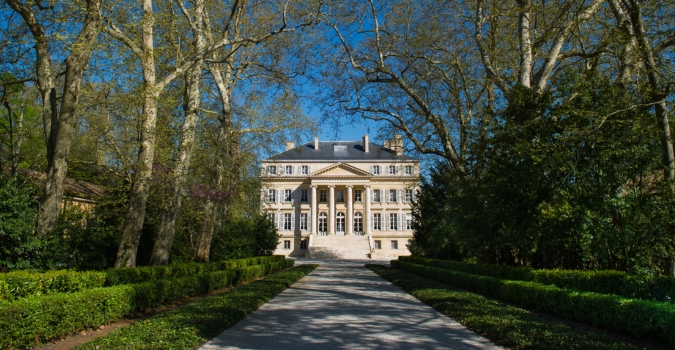
The intellectual powerhouses: Château Margaux, Palmer, Brane Cantenac, Rauzan Ségla, Dufort Vivens, Ferrière.
In a classic Left Bank line-up, these are the wines that stop you with their aromatics. They are not about blocky extraction or massive weight; they rely on an intoxicating perfume of violets, red cherry, dried roses, and incense, backed by tannins that feel like liquid silk.
Vibrant & fresh: Lascombes, d’Issan, Cantenac Brown, Marquis de Terme.
These estates sit on the deeper gravel-and-clay plateaus. They produce a more muscular, traditional, and intellectual style of Margaux. They can be quite reserved and backward when young, leaning into dark fruit, graphite, and a firmer gravelly spine that feels closer to a Saint-Julien in terms of weight.
Modern & seductive: Giscours, Malescot, Du Tertre, Prieuré Lichine, Kirwan, Boyd Cantenac.
These châteaux embrace a richer, more voluptuous, and immediately rewarding style. Through a combination of warmer microclimates, a generous use of Merlot, or a modern winemaking approach that emphasizes glossy oak and sweet, supple tannins, these wines are more expressive and comforting from a young age.
Saint Estèphe
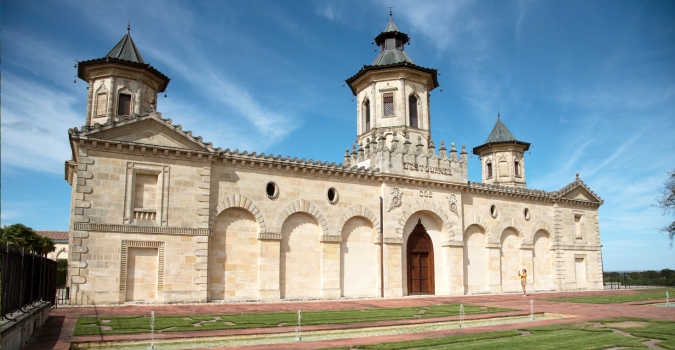
The intellectual powerhouses: Montrose, Calon Ségur, Phélan Ségur, Meyney, Ormes de Pez
These are the legends of the north. Sitting on deep beds of gravel mixed with rich, heavy clay, these wines possess a dense, blocky, and brooding structural core. They are deeply savoury, packed with black fruit, earth, and iron-like minerality, and they demand a decade or more just to show their cards.
Vibrant & fresh: Lafon Rochet, Lilian Ladouys, De Pez
These châteaux offer a sleeker, more driving, and strictly defined style of Saint-Estèphe. They lean into the refreshing acidity that the appellation’s microclimate provides, focusing on bright, crunchy black fruits, gravelly minerality, and a precise, linear structure rather than mass or heavy oak extraction.
Modern & seductive: Cos d’Estournel, Cos Labory
These estates have completely rewritten the old script on Saint-Estèphe’s rustic reputation. By utilizing higher percentages of Merlot, harvesting at peak ripeness, and using modern cellar techniques, they have tamed the natural tannins of the north to create incredibly sensual, glossy, and more immediately accessible wines.
Pessac Léognan
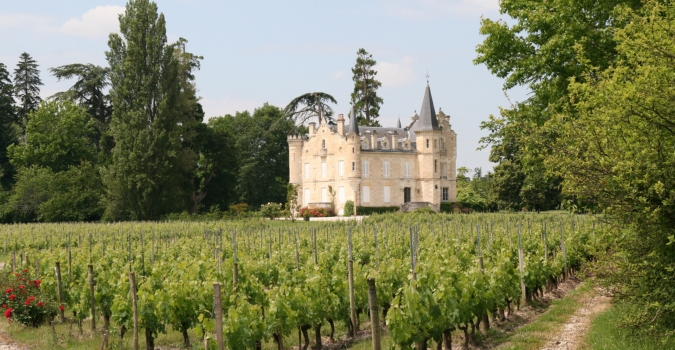
The intellectual powerhouses: Haut Brion, Mission Haut Brion, Carmes Haut Brion, de Fieuzal.
These are intellectual, deeply mineral, age-worthy reds. They are not defined by the aggressive Cabernet tannins of the northern Médoc, but rather by an unmistakable, savoury aromatic profile of cigar tobacco, gravel and cedar, backed by a profound, dark core of fruit.
Vibrant & fresh: Haut Bailly, Domaine de Chevalier, Malartic Lagravière, Olivier.
These châteaux offer a cooler, sleeker, and more elegant expression of Pessac. They prize precision, high-toned red and black fruit, and a fresh, pine-forest or herbal lift over sheer weight, maintaining a highly focused, direct, and mineral-driven line on the palate.
Modern & seductive: Smith Haut Lafitte, Pape Clément, Carbonnieux, Latour Martillac.
These estates capture the natural warmth of Pessac’s gravels to deliver an incredibly plush, opulent, and hedonistic style. They wrap the appellation’s signature smoky, tobacco notes in a velvety blanket of succulent black plum, sweet oak spice, and ultra-supple tannins that make them completely irresistible from a young age.