As I write this in late July 2026, the European horizon is looking rather smoky. Wildfires have swept across Spain and France, burning hundreds of thousands of hectares. We’ve even seen smoke drifting ominously over the limestone slopes of Burgundy’s Côte-d’Or. It is a stark, inescapable reminder that the climate is changing, and the wine map is shifting right along with it.
Naturally, this has prompted a frantic rush of corporate greenwashing across the industry, with meaningless eco-badges suddenly appearing on back labels overnight. But for the proper artisan winemakers, the men and women with actual dirt under their fingernails, sustainability is not a marketing exercise. It is a matter of sheer survival and integrity. By throwing out the synthetic chemicals and embracing regenerative, biological farming, these vanguard estates are building resilient, living soils to combat the heat. Let’s take a stroll through the vineyards of a few such stalwarts who are fighting on the climate frontline.
Meet the winemakers
Castagnoli
Up in the dizzying heights of Chianti Classico, the Schefernacker family farms narrow, dry-stone terraces. By strictly adhering to organic principles, they force their Sangiovese roots incredibly deep into the friable galestro bedrock. When the summer heat causes lesser, chemically-fed vines to simply shut down, Castagnoli’s vines are able to find vital moisture hidden deep underground.
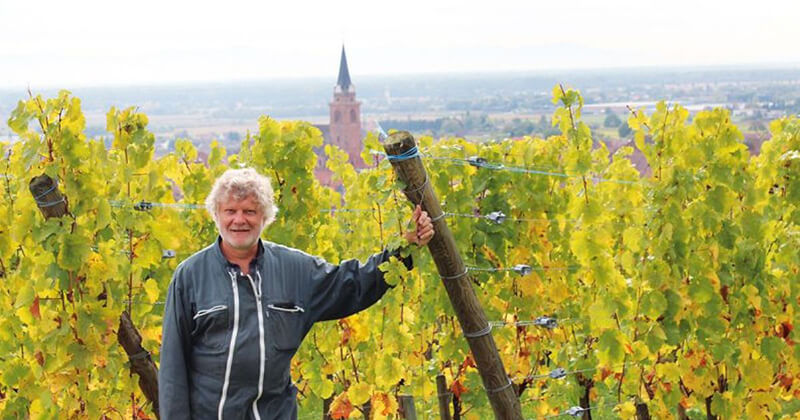
Domaine Marcel Deiss
Over in Alsace, Mathieu Deiss continues his father’s slightly controversial but entirely brilliant practice of complantation. Growing Riesling, Pinot Gris, and Gewurztraminer all jumbled together in a single field blend. This creates a self-regulating ecosystem. If a scorching vintage causes one grape variety to struggle, another naturally thrives, providing a brilliant, old-school hedge against climate volatility.
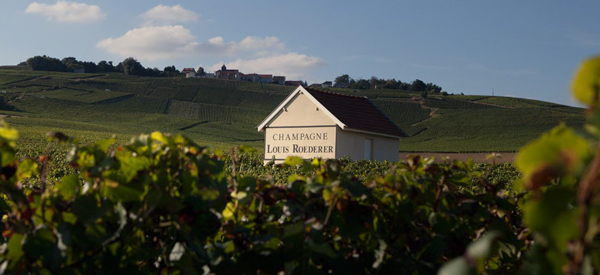
Champagne Louis Roederer
One might expect a historic Grande Marque to rest on its laurels, but Roederer actually farms 250 hectares of their own vineyards organically and biodynamically. They use mechanical ploughing and cover crops to encourage deep root systems. This equips the vines to handle extreme heat and hydric stress. They have even scrapped their traditional non-vintage blend for the ‘Collection’ series, frankly admitting that climate change has made static, replicable house styles entirely obsolete.
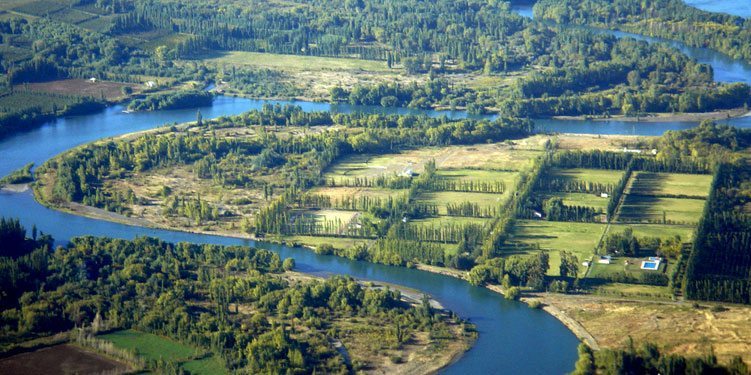
Bodega Chacra
Down in Patagonia, Bodega Chacra stands firmly on our artisan frontline of climate champions. Producing outstanding, energetic Pinot Noir, such as their ’55’ and Barda cuvées, they are living proof that unapologetic luxury and zero ecological guilt can sit quite happily in the exact same glass.
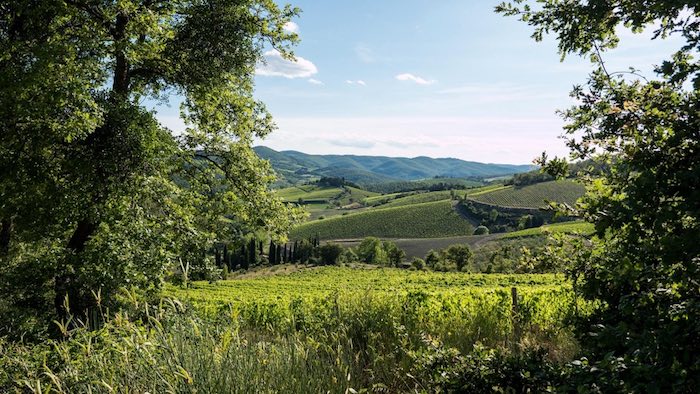
Poggerino
Returning to Chianti Classico, we find Piero Lanza, a winemaker who purportedly knows all of his vines by name. He uses strict biodynamic preparations like horn manure and horn silica to foster a hyper-resilient vineyard ecosystem. This complex biological web serves as a brilliant buffer, protecting his Sangiovese against the increasingly erratic droughts and heatwaves plaguing central Italy.
Domaine de la Mordorée
In the Southern Rhône, the summer heat can be absolutely punishing. Yet, Domaine de la Mordorée relies on biodynamic farming in a valley continuously swept by the Mistral wind. This combination of living soil and natural ventilation yields reds of astonishing freshness, completely defying the baking temperatures.
Domaine Yannick Amirault
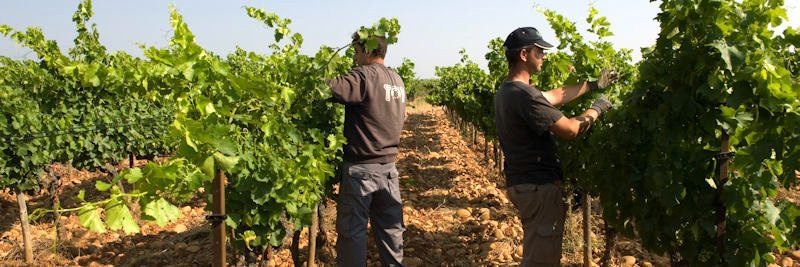
Yannick Amirault was a rebel long before it was fashionable. Back in 1983, he completely ceased using synthetic fertilisers on his Bourgueil vineyards, opting instead to interplant grasses to naturally manage the soil. Today, his son Benoît helps run this certified organic estate by the lunar calendar. Their early defiance of post-war chemical farming has left them with incredibly resilient soils, ensuring their Cabernet Franc retains its legendary purity even in the warmest years.
Château de Plaisance
Finally, in the Anjou Noir, Vanessa Cherruau is doing marvelous things with dry Chenin Blanc. She has introduced extensive agroforestry protocols directly into her biodynamic vineyards. By fostering a complex, polycultural ecosystem, she increases plant diversity and soil health, giving her vines a genuine fighting chance against shifting weather patterns.
It is a rather grim business watching the hills and forests burn, but the resilience of these growers offers a genuine bright spot. They deserve our attention, and quite frankly, they deserve a place on your dining table.
How can you support them?
If you’d like to support the resistance, we’ve put together a rather splendid 12-bottle Eco-Warriors’ mixed case. It’s a complete, guilt-free tasting tour of the world’s most resilient vines, ready to pour this weekend.
Do bear in mind that any order over £150 qualifies for free nationwide delivery. Pop a case in your basket, pull a cork, and raise a glass to the folks keeping the vines alive.